Power, Profit, and the Big Screen: How Hollywood owns everything
James Curran and Jean Seaton's political economy of media — applied to Spielberg's CinemaCon warning, the death of antitrust in Hollywood, and the streaming preservation crisis.
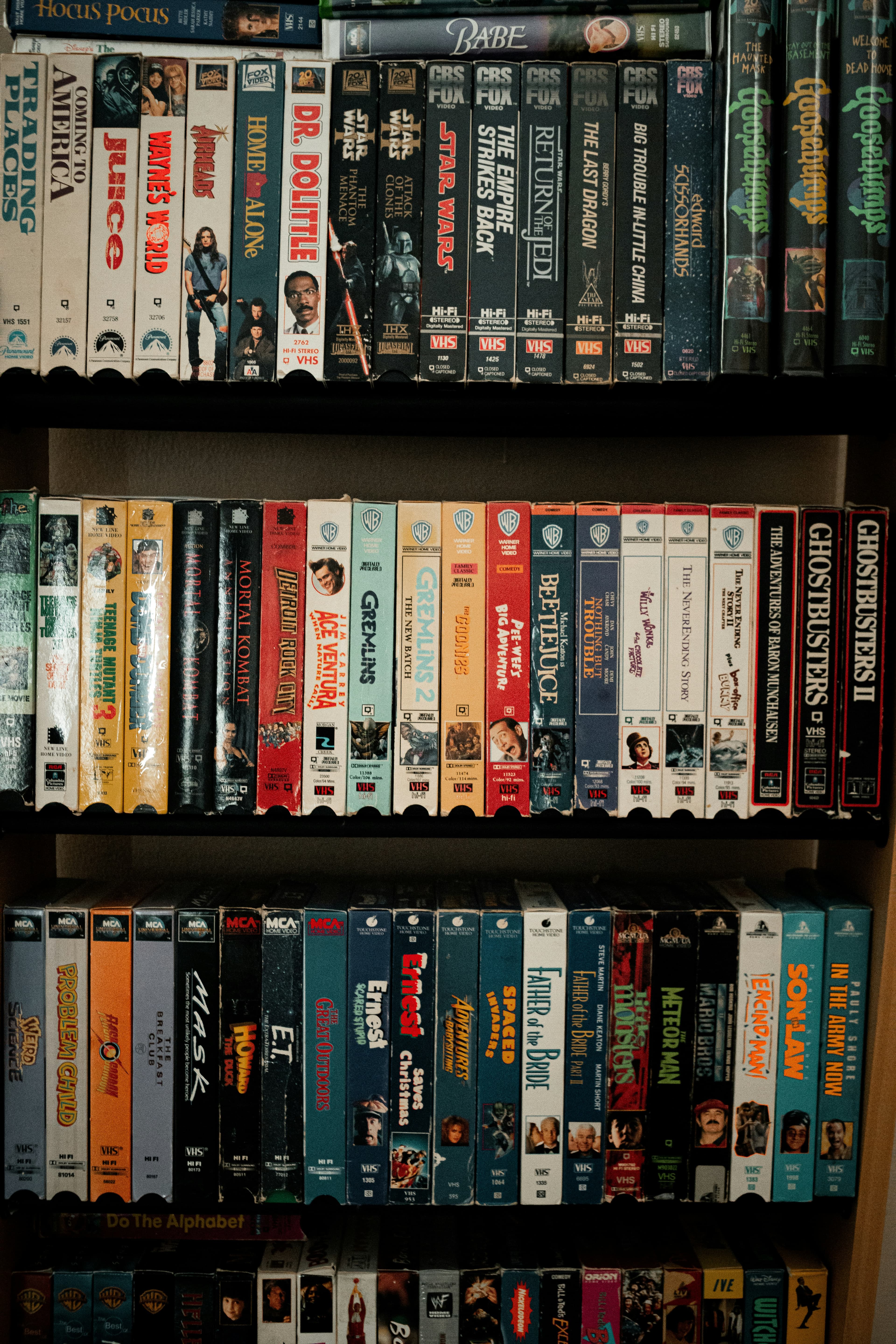
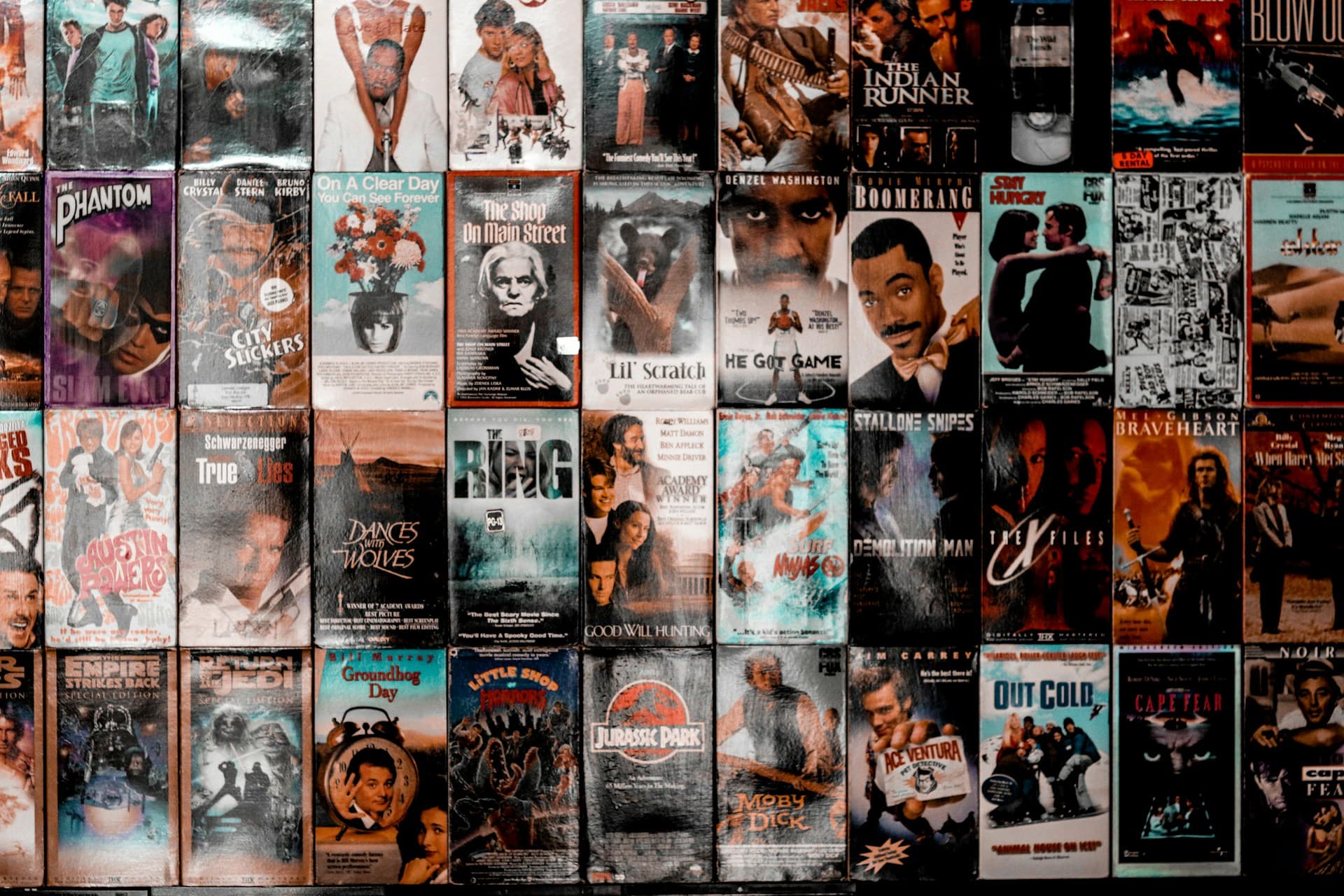
Physical media — film prints, DVD, Blu-ray — is a vital preservation infrastructure. As streaming libraries rotate, physical media remains a reliable archive.
James Curran and Jean Seaton's political economy of media — applied to Spielberg's CinemaCon warning, the death of antitrust in Hollywood, and the streaming preservation crisis.
Fight Club's ending was rewritten for China, Disney removed a slur from The French Connection, and streaming platforms can alter films silently. Why physical media remains the only immutable record of what directors actually made.
When Warner Bros Discovery deleted Batgirl and removed Looney Tunes from HBO Max for tax write-offs, much became permanently inaccessible. Why streaming has ended accidental film preservation and what happens when platforms decide content isn't worth keeping.
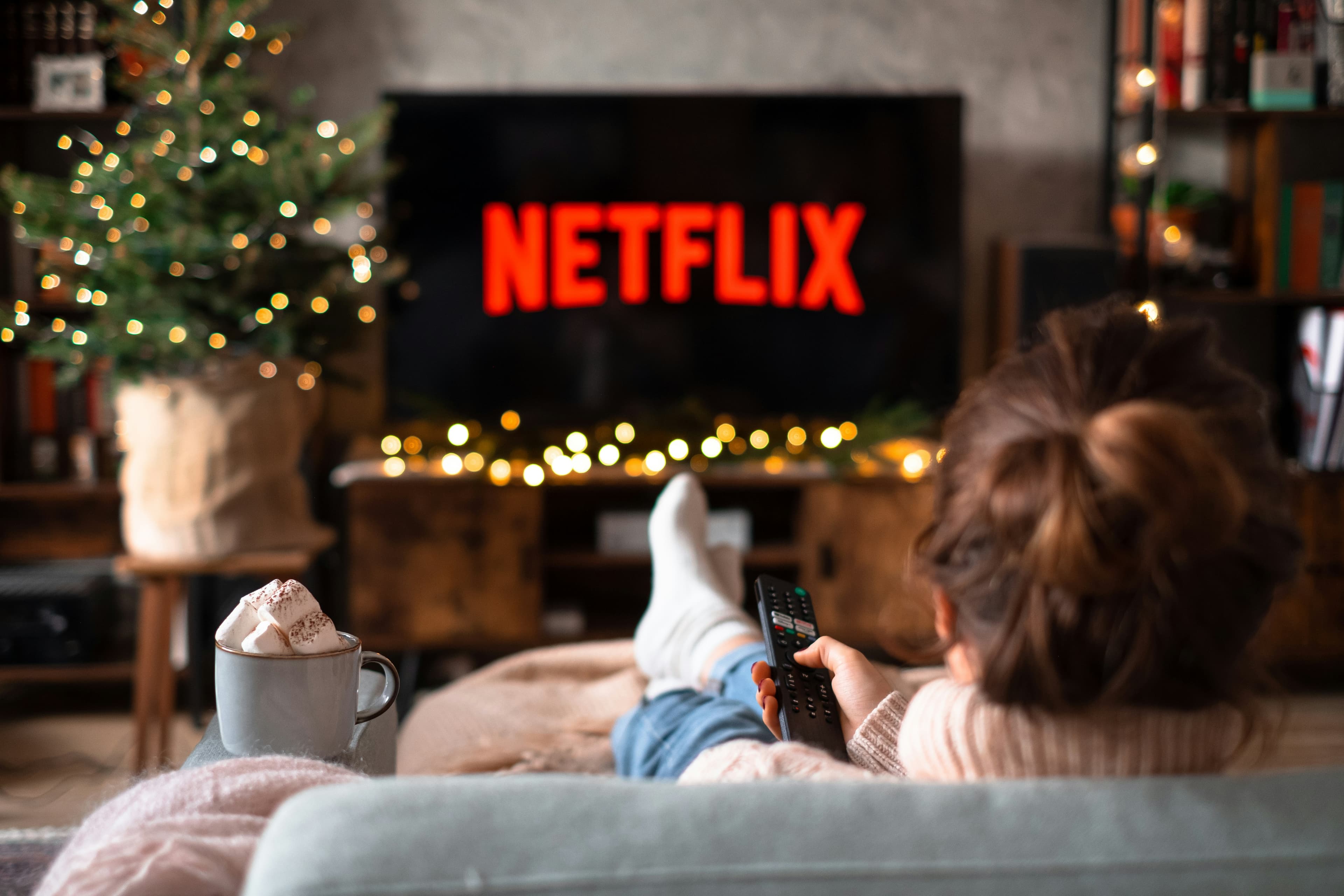
Netflix has thousands of films but recommendations feel limited. Why streaming algorithms concentrate attention rather than distributing it, and why Chris Anderson's long tail theory failed for streaming platforms.
Why did studios stop making mid-budget films? DVD and home video sales created a financial safety net that allowed films to recoup costs slowly. Streaming's subscription model eliminated it, changing what gets made.